
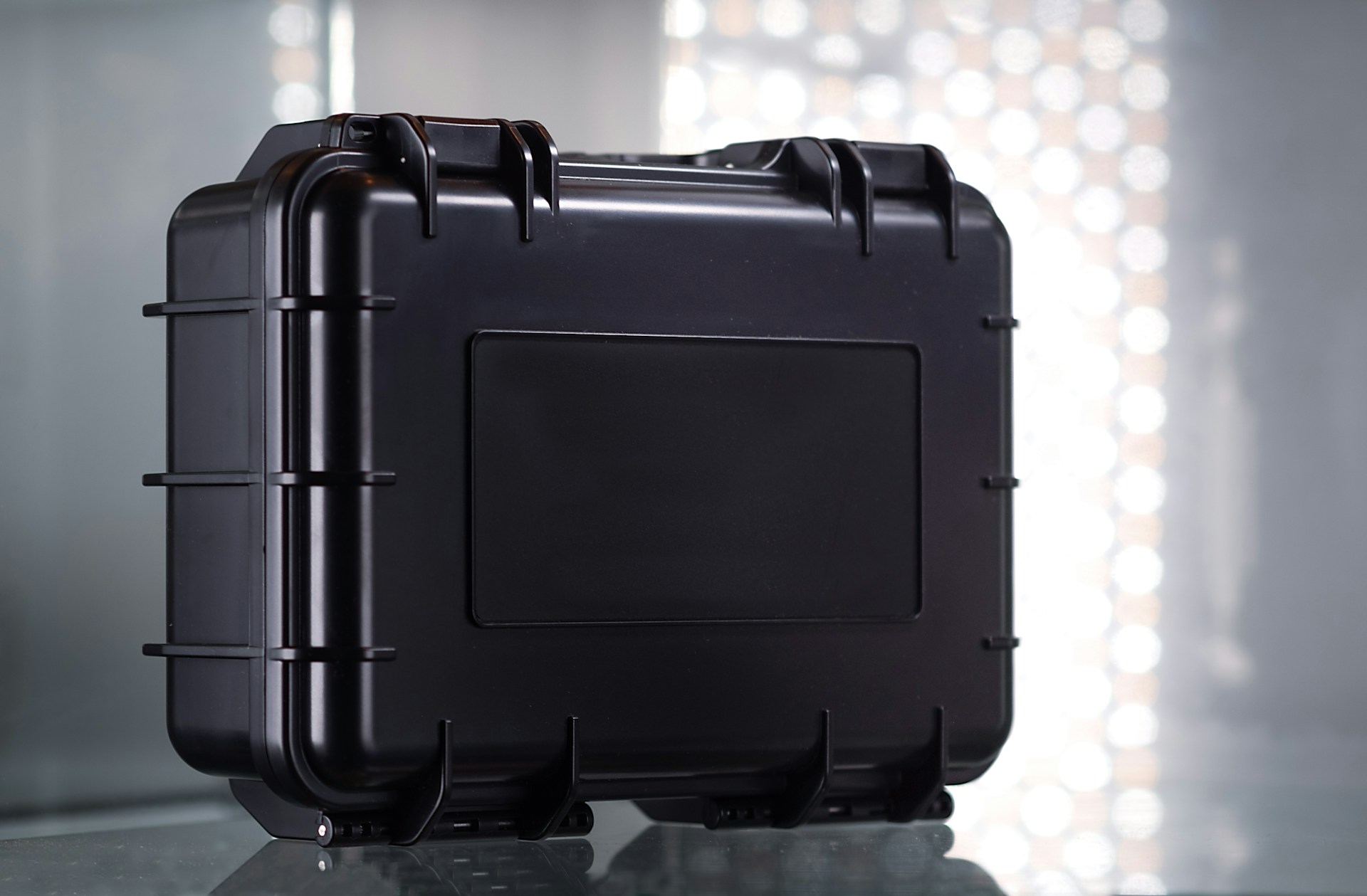

How to Store Heat Flux Sensors Properly
Heat flux sensors are precision instruments—treat them right in storage, and they’ll stay accurate, stable, and calibration-ready. Neglect storage, and you’ll quietly introduce drift, contamination, or even permanent damage.
Here’s a practical breakdown of how to store them the right way.
1. Control the Environment First
Storage conditions matter more than most people realize.
Ideal conditions:
- Temperature: Stable, typically 15–25°C (59–77°F)
- Humidity: Low to moderate (≤60% RH)
- Environment: Clean, dust-free, and away from chemicals
Why this matters:
- Moisture can affect insulation and sensor response
- Temperature cycling can stress internal materials
- Contaminants can alter surface absorption
If your sensors are used in radiative environments tied to thermal radiation, keeping surfaces clean is especially critical.
2. Protect the Sensing Surface
The sensing surface is the most sensitive part—this is where accuracy is won or lost.
Best practices:
- Always use protective caps (if provided)
- Store face-up or in a non-contact holder
- Avoid touching the surface directly
Even small residues (oil, dust) can change absorption and skew readings, especially when working with high-temperature sources like blackbody radiation systems.
3. Use Proper Storage Containers
Don’t just toss sensors in a drawer.
Recommended:
- Padded, anti-static cases
- Original manufacturer packaging (best option)
- Foam inserts to prevent movement
Avoid:
- Loose storage with cables tangled
- Hard surfaces that can scratch or dent the sensor
Mechanical stress can affect calibration stability over time.
4. Manage Cables and Connectors
Cables are often the first failure point—not the sensor itself.
Do this:
- Coil cables loosely (no tight bends)
- Protect connectors with caps
- Avoid pulling or hanging by the cable
Connector damage can introduce signal noise or intermittent readings—hard to diagnose later.
5. Minimize Exposure to Light and Heat
Even when not in use, exposure can degrade performance.
- Keep sensors away from direct sunlight
- Avoid storing near heaters or hot equipment
- Limit exposure to strong IR sources
Long-term exposure can affect coatings and materials, especially for radiative sensors.
6. Store with Calibration in Mind
Storage isn’t just about protection—it’s about preserving traceability.
Smart habits:
- Label sensors with last calibration date
- Store calibration certificates digitally and physically
- Group sensors by calibration status (in-service vs. reference)
If you’re working under ISO/IEC 17025, this step is essential for audits and compliance.
7. Periodic Checks During Storage
Even in storage, don’t “set and forget.”
Check periodically for:
- Dust buildup
- Cable degradation
- Corrosion or discoloration
- Physical damage
A quick inspection every few months can prevent surprises during your next calibration cycle.
8. Avoid Common Mistakes
A few things that cause the most long-term issues:
- Storing sensors in high humidity environments
- Leaving the sensing surface exposed
- Wrapping cables tightly around the sensor
- Mixing calibrated and uncalibrated units
- Skipping storage documentation
These don’t cause immediate failure—but they do degrade performance over time.
Bottom Line
Proper storage is one of the easiest ways to extend sensor life and maintain accuracy—yet it’s often overlooked.
Do it right, and you’ll:
Avoid costly replacements
Reduce recalibration frequency
Maintain measurement integrity